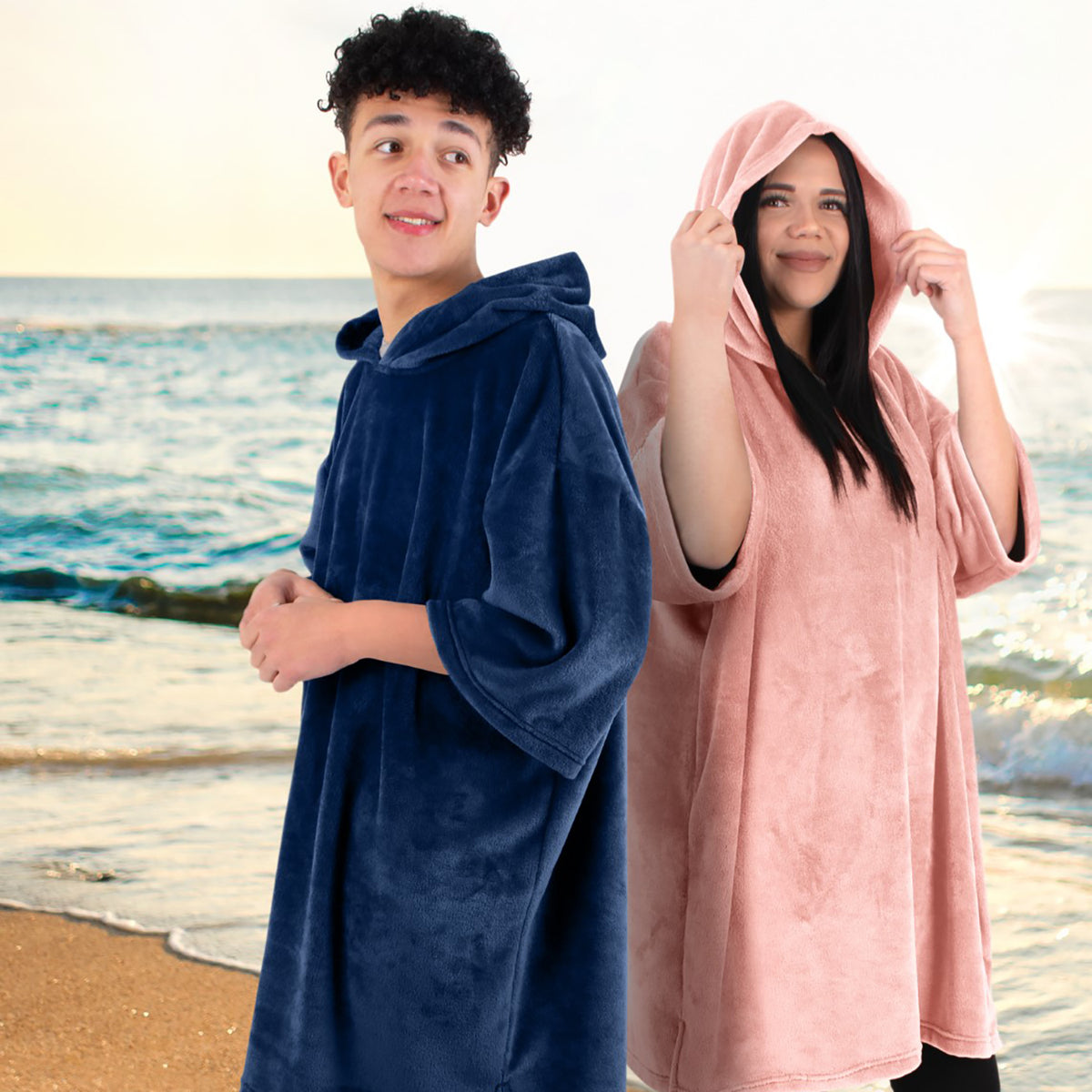

Are Dry Robes Worth It? A Guide to Choosing a Dry Robe in Ireland
If you regularly swim outdoors, surf, use an outdoor sauna or simply spend plenty of time outside in Irish weather, a dry changing robe can be a very useful layer to have. It gives you somewhere private to change while helping to protect you from wind, rain and the cold once you are out of the water.
That does not mean everyone needs one. If you only head to the beach on warm summer days, or you mainly want something absorbent to dry off with, a towel or towelling poncho may suit you just as well.
So, are dry robes worth it? For frequent outdoor swimmers and anyone who regularly changes or waits around outdoors in cooler weather, they often are. The key is choosing a robe that suits how you will actually use it.
What Is a Dry Changing Robe?
A dry changing robe is an oversized outdoor robe designed to give you warmth, weather protection and enough room to change underneath it. Unlike a standard dressing gown or bathrobe, many outdoor changing robes have a windproof or waterproof outer layer paired with a warm lining.
The roomy fit is deliberate. It gives you space to take off wet swimwear or a wetsuit underneath the robe while staying covered, which is particularly handy when changing rooms are nowhere to be found.
You may also see them described as dry robes, changing robes or swim robes. The exact materials and level of weather protection vary between products, so it is always worth checking the specification rather than assuming every changing robe works in the same way.
Are Dry Robes Worth It?
Dry robes are worth it when you will regularly use the warmth, weather protection and changing space they provide. They make the most sense for people who swim, surf or spend time outdoors throughout the year rather than only on the occasional sunny beach day.
A simple way to decide is to think about when you would actually reach for one.
|
A dry robe is likely worth it if… |
You may not need one if… |
|
You sea swim or cold-water swim regularly |
You mainly swim indoors |
|
You often change outdoors |
You usually have access to warm changing rooms |
|
You spend time outside after swimming or sport |
You only visit the beach in warm weather |
|
You use outdoor saunas or cold-plunge facilities |
You mainly need something absorbent for drying |
|
You want weather protection as well as changing privacy |
A lighter towel poncho already meets your needs |
Frequency matters too. A dry robe that comes with you for a weekly sea swim, weekend surf or regular sideline session is likely to earn its place quickly. If you expect to use it once or twice a year, a simpler option—such as a highly-absorbant egyptian cotton towel— could make more sense.
The best choice is not necessarily the most technical or expensive robe. It is the one with the features you will genuinely use.
What Are Dry Robes Used For?
Dry changing robes are most closely associated with swimming and surfing, but their warmth, coverage and roomy shape make them useful for several outdoor activities.
Sea Swimming and Cold-Water Swimming
Sea swimming is one of the most practical uses for a dry robe. Once you leave the water, an oversized changing robe gives you space to get out of wet swimwear without needing a changing room or trying to wrestle with a towel in the wind.
A warm lining and weather-resistant outer can also make the time between getting out of the water and getting dressed much more comfortable.
A dry robe should still be thought of as clothing for before and after your swim rather than water-safety equipment. Bring the appropriate swimming and safety equipment for the conditions, and follow local guidance whenever you are entering open water.
Outdoor Saunas and Cold Plunges
Dry robes can also be useful for outdoor sauna and cold-plunge sessions, particularly at locations where you move between the sauna, water and an outdoor changing area.
Ireland's beach-sauna scene has grown alongside interest in sea swimming, with RTÉ reporting on the rise of sea saunas around the country. A roomy changing robe can be handy here because it gives you something warm to put on between activities while also offering privacy if changing facilities are limited.
For this use, an easy-to-put-on robe with a warm lining, generous hood and adjustable cuffs can be particularly practical.
Surfing and Watersports
Surfers and watersports enthusiasts can use a changing robe to get out of a wetsuit while staying covered and protected from the weather.
A full-length zip makes the robe easier to put on quickly, while zipped pockets can be useful for small essentials such as keys once you are back on dry land.
Outdoor Sports and Sidelines
You do not have to be in the water to get good use from a dry robe. They can also work as a warm outer layer for watching matches, coaching from the sideline, waiting around at races or spending long periods outside during training.
The longer length and weather-protective construction of a changing robe can be particularly useful on cold, wet or windy days.
Camping, Dog Walking and Outdoor Events
A changing robe can also double as an outdoor layer for camping, dog walks, festivals and other occasions where you may be outside for hours at a time.
If this will be your main use, pay particular attention to weight, bulk and freedom of movement. A very warm robe might be ideal beside the sea but less convenient if you plan to carry it around all day.
What Should You Look for in the Best Dry Robes in Ireland?
The best dry robes in Ireland should suit our changeable weather as well as the activity you are buying one for. Warmth matters, but waterproofing, fit, pockets, cuffs and how easy the robe is to carry can be just as important.
Waterproof and Windproof Protection
For regular outdoor use, look for a robe that clearly states how much weather protection it provides. A waterproof and windproof outer can be particularly useful on exposed beaches, at outdoor sporting events or anywhere you may be standing around in poor weather.
Do not assume every changing robe is fully waterproof simply because it looks similar. Check the individual product description before buying.
The Home Collection dry changing robes currently available at Shaws, for example, use a polyester outer that is specified as both waterproof and windproof.
A Warm, Quick-Drying Lining
A comfortable lining helps make the robe useful once you are out of cold water or standing outside between activities.
Fleece and Sherpa-style linings are common because they provide a soft, warm layer against the body. Some robes also use quick-drying or moisture-wicking linings.
Remember that a warm lining is not automatically the same thing as an absorbent bath towel. If drying your skin quickly is your main priority, you may still prefer to use a towel first.
Enough Room to Change
A dry robe should generally feel roomy rather than fitted. The extra space is what allows you to pull your arms inside and change out of swimwear or a wetsuit while remaining covered.
If you intend to wear jumpers or other layers underneath your robe, check the garment dimensions as well as the stated size. One-size robes can still vary significantly between brands.
Hood, Adjustable Cuffs and Secure Pockets
Small details can make a surprisingly big difference when you are using a changing robe outdoors.
A large hood adds coverage around your head and neck, while adjustable cuffs can help reduce cold air getting into the sleeves. Zipped pockets are particularly handy when you need somewhere secure for keys or other small items.
The current Home Collection dry changing robes at Shaws include an oversized hood, internal and external zipped pockets, a full-length zip and adjustable Velcro cuffs.
Weight and Packability
A thicker changing robe may offer plenty of warmth, but it will usually take up more room in a car, kit bag or suitcase.
If you mostly drive to the beach or swimming spot, this may not matter much. If you walk, cycle, travel or carry your kit over longer distances, look at the robe's weight and packed size as part of your decision.
Dry Robe vs Towel Poncho: Which Is Better?
A dry robe is generally the better choice for warmth and weather protection, while a towel poncho is often better when drying off, lightness and simplicity are the priority.
Neither option is automatically better for everyone.
|
Feature |
Dry changing robe |
Towel poncho |
|
Changing privacy |
Very good |
Very good |
|
Warmth in cold weather |
Usually better |
Usually lighter |
|
Rain and wind protection |
Better if waterproof/windproof |
Usually limited |
|
Absorbency |
Depends on lining |
Often designed specifically for drying |
|
Summer beach use |
Can feel warm or bulky |
Often lighter and easier |
|
Packability |
Usually bulkier |
Usually easier to carry |
|
Waiting around outdoors |
Particularly useful |
Less protective in poor weather |
If you regularly swim through autumn and winter or spend time standing outdoors afterwards, a weather-protective changing robe will usually be more practical.
If you mainly want something to pull on after a summer swim, dry yourself and change underneath, a towelling poncho or a good bath towel may be all you need.
How to Choose the Right Dry Robe for You
Choose your dry robe around the activity you do most often rather than looking for one specification that is supposedly best for everybody.
For regular sea swimmers: prioritise weather protection, a warm lining, enough room to change and secure pockets.
For sauna and cold-plunge visits: look for warmth, easy on-and-off access, a roomy fit and protection from the weather between sessions.
For surfers and watersports: changing space, warmth, a full zip and protection from exposed conditions are particularly useful.
For sideline sports and outdoor events: focus on weather protection, length, warmth and practical pockets rather than absorbency.
For summer beach trips: ask whether you actually need an insulated changing robe or whether a lighter towel poncho would be easier to carry.
For camping and travelling: compare warmth with weight and packability so your robe does not become one more bulky item you leave at home.
This is also a useful way to approach searches for the best dry robes in Ireland. Instead of looking for one universal winner, choose the combination of features that fits where, when and how often you will use yours.
How to Wash and Care for a Dry Changing Robe
The safest way to care for a dry robe is to follow the individual garment's care label, as washing instructions can differ depending on the outer fabric, lining and waterproof treatment.
After swimming or outdoor use, allow the robe to dry properly before storing it. Leaving a damp robe bundled into a bag or car boot can create unwanted odours and means it may still be wet the next time you need it.
If the robe has picked up sand, mud or salt, remove loose debris before washing. Avoid automatically using your normal wash and tumble-dry routine unless the care label specifically allows it.
The Home Collection dry changing robes currently listed at Shaws are machine washable, but the care instructions on your own garment should always take priority.
Dry Robe Safety for Swimmers
A dry changing robe is an outer garment for keeping covered and comfortable before and after water activities; it is not a buoyancy aid, lifejacket or substitute for proper open-water safety equipment.
If you are swimming, paddleboarding, boating or taking part in another activity on the water, use the safety equipment appropriate to that activity.
There is also specific guidance around wearing changing robes while afloat. Rowing Ireland has advised that Dryrobe-branded changing robes should not be worn on the water, so always check the instructions for your particular robe and use it as intended.
Shop Dry Changing Robes in Ireland at Shaws
Whether you need an extra layer after a sea swim, something warm for outdoor sauna sessions or a practical robe for weekends outdoors, choosing the right features will help you get much more use from it.
Explore the latest dry changing robes in Ireland at Shaws, including waterproof and windproof Home Collection styles designed for warmth, coverage and outdoor changing.
If you think a good towel is more suited to your needs, explore egyptian cotton towels at Shaws from Egyptian Embrace.
Dry Robe FAQs
Are dry robes worth it?
Dry robes are worth it for people who regularly swim, surf, change or spend time outdoors in cold and wet weather, but occasional summer swimmers may find a towel poncho sufficient.
Are dry robes waterproof?
Some dry robes are waterproof while others may only be water-resistant, so always check the individual product specification before buying.
Are dry robes supposed to be oversized?
Yes, changing robes are usually deliberately roomy so you have enough space to change clothes underneath and wear extra layers when needed.
Do you need a towel with a dry robe?
You may still want a towel for quickly drying your skin because a warm changing-robe lining is not necessarily designed to absorb water like a bath towel.
Are dry robes good for saunas and cold plunges?
A dry robe can be useful at outdoor saunas and cold plunges because it provides warmth, coverage and changing space between activities, particularly where indoor facilities are limited.
What is the difference between a dry robe and a towel poncho?
A dry robe usually prioritises warmth and weather protection, while a towel poncho is generally lighter and designed primarily for drying and changing.
Where can I buy dry robes in Ireland?
You can buy dry changing robes in Ireland online at Shaws, with current styles available through the dedicated dry changing robe collection.