


Refreshing your living room does not have to mean replacing all your furniture or starting again from scratch. A few thoughtful changes can make the space feel more comfortable, practical and pulled together.
You might restyle the sofa with cushions and a throw, define the seating area with a rug or brighten a dark corner with a lamp. Mirrors, wall art and personal photographs can add character, while a useful piece of furniture may help the room work better day to day.
Below, we share achievable living room ideas for the space you already have, followed by focused tips for small rooms, modern interiors and cohesive living room colour schemes. Explore the Shaws living room collection as you decide which updates would make the greatest difference in your home.
1. Refresh Your Sofa With Throws and Cushions
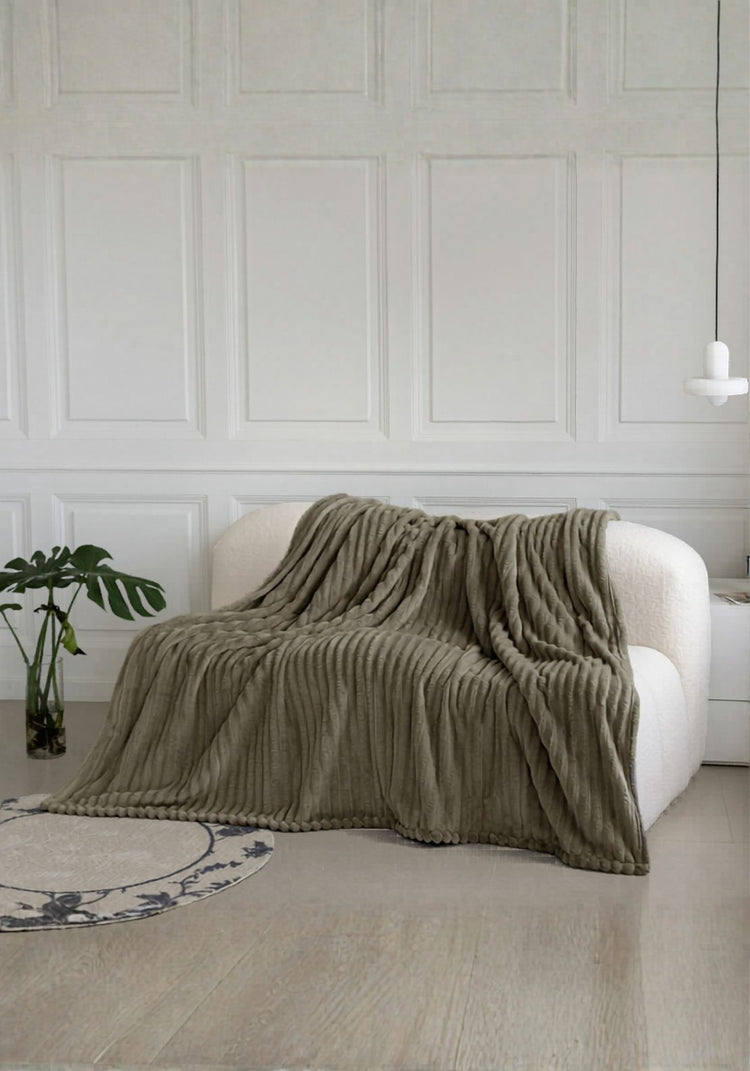
The sofa is often one of the largest features in a living room, so changing what sits on it can quickly give the whole space a fresh look. A throw can introduce a new colour, pattern or texture, while a neatly arranged sofa cover can help an existing sofa look more finished.
Cushions are an easy way to repeat accent colours from your rug, curtains, artwork or other accessories. They do not need to match perfectly. In fact, a mix of sizes, textures and subtle patterns can look more natural and inviting than a completely identical set.
For an arrangement that feels coordinated, choose one shared colour or tone to connect your cushions and sofa covers. For example, you could pair a plain green throw with patterned cushions that contain a similar shade. This gives you variety while keeping the overall look cohesive.
2. Use a Rug to Anchor Your Living Room
A rug can help define the main seating area and make the sofa, chairs and coffee table feel like one connected arrangement. Rather than automatically choosing the smallest size available, think about how the rug will sit in relation to the furniture.
Depending on your layout, you may want the front legs of the sofa and chairs to sit on the rug. This can create a stronger visual link between each piece. Measure the area first, checking door clearance and the amount of space needed to move comfortably around the room.
Colour and pattern matter too. A rug can repeat tones already found in your cushions, artwork or furniture, helping the room feel more considered. If your living room already includes several prints, a quieter design may create balance. In a simpler room, a patterned or colourful rug can become an attractive focal point. Browse rugs in different colours, textures and designs to find one that suits your space.
3. Add a Mirror to Reflect Light and Create a Focal Point
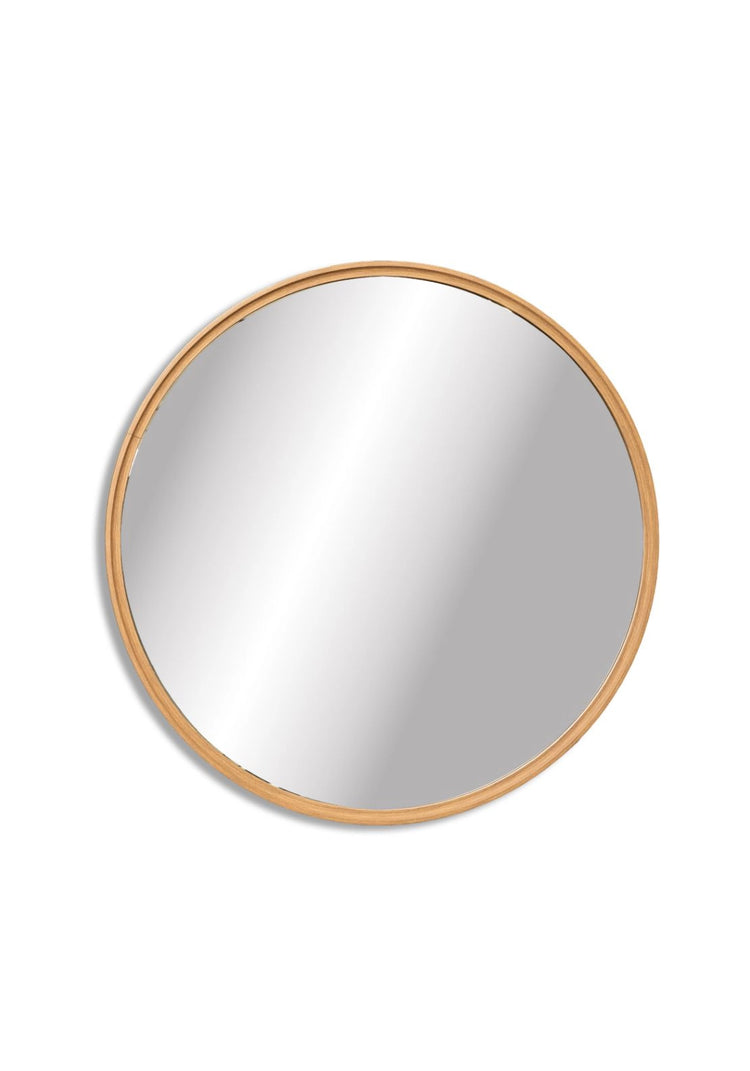
Mirrors are decorative features in their own right, whether your living room is large or small. When positioned thoughtfully, they can reflect available natural or artificial light, add visual depth and draw attention to a particular part of the room.
Before hanging a mirror, stand in the intended position and consider what it will reflect. A bright window, attractive lamp or well-styled area will usually create a more pleasing view than a busy doorway or television.
One larger mirror can work well above a console, sideboard or fireplace where the layout allows. Its frame also helps set the tone: clean shapes and simple finishes can complement modern living room ideas, while detailed frames may suit a more traditional or decorative scheme. Explore mirrors and choose a style that feels connected to the rest of your room.
4. Layer Your Living Room Lighting
Relying only on one central ceiling light can make a living room feel flat or overly bright, particularly in the evening. Layered lighting simply means using different light sources for different needs.
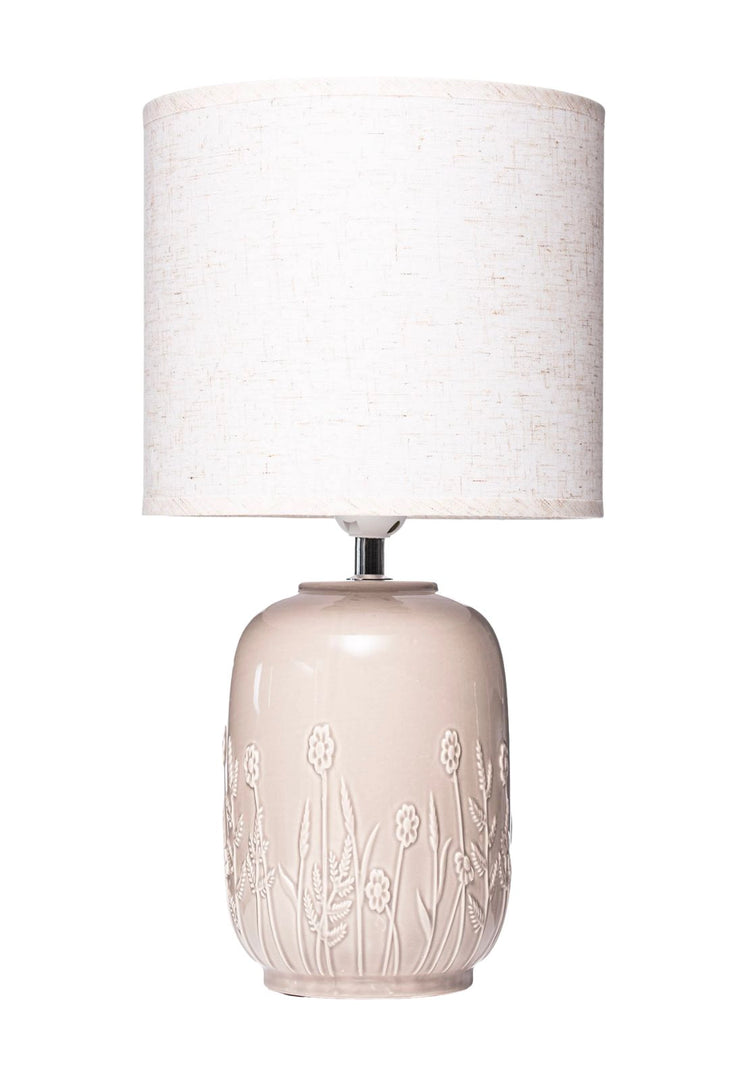
Your main light can provide general illumination, while a table or floor lamp can brighten a darker corner, offer focused light for reading or create a softer atmosphere later in the day. A smaller living room may need only one carefully placed lamp to make a noticeable difference.
Lamps also add to your living room decor when switched off. The shape of the base, the material of the shade and the overall design can introduce colour and texture. When choosing lighting, consider both the practical purpose of the lamp and how it will look alongside your furniture and accessories.
5. Turn a Blank Wall Into Part of the Room
Wall art adds colour and personality without taking up valuable floor space. Depending on the size and style of your room, you might choose one larger statement piece or a smaller grouped arrangement.
To connect your chosen wall art to the rest of the room, look for one or two colours that already appear in your rug, cushions or decorative pieces. You do not need an exact match; repeating a related shade is often enough to make the display feel intentional.
Leave some clear wall space around each piece or arrangement so it has room to stand out. This is especially useful in a neutral living room, where artwork can introduce character without requiring a complete change of colour scheme. For more affordable styling inspiration, discover how to make your home look more expensive on a budget.
6. Make Your Living Room More Personal With Photo Frames
A living room should feel like your home, not a showroom. Meaningful photographs can make the space more personal and lived-in while reminding you of favourite people, places and occasions.
Display a small, carefully chosen selection on shelves, side tables or a sideboard. Mix your photo frames with books, a lamp or decorative objects instead of lining every surface with frames. This gives each photograph more space and keeps the display from feeling crowded.
Varying the height or orientation of the frames can add interest. To maintain a visual connection, choose frames with a shared colour, material or finish. Above all, select photographs that matter to you rather than adding them simply to fill an empty space.
7. Style Shelves and Tables With Living Room Decor
Shelves, sideboards and coffee tables tend to look more considered when they hold a smaller number of purposeful objects rather than lots of unrelated accessories. Begin with pieces you genuinely like, then edit the arrangement until it feels balanced.
Try combining different heights and shapes, such as a taller vase beside a lower ornament or framed photograph. Grouping three items can be a useful starting point, but it is not a strict rule. Leave some negative space around each group so individual pieces can stand out.
Vases can also work as decorative objects with or without flowers, depending on their shape and finish. Browse ornaments and vases or explore the wider home decor range for pieces that complement your room rather than compete with it.
8. Cosy Living Room Ideas: Add Softer Light and Texture
A cosy living room usually comes from combining softer textures, warmer-feeling light and personal details—not simply adding more accessories.
Introduce tactile softness with a throw, a few cushions or a rug underfoot. Then use a table or floor lamp to create a gentler evening atmosphere than a bright overhead light alone. Decorative candles can add smaller points of light and allow you to introduce a scent that suits your own preferences.
Remember that cosy does not have to mean cluttered. A few well-chosen soft furnishings and personal pieces can feel more inviting than filling every chair, shelf and surface. The most effective cosy living room ideas add warmth while leaving the room easy to use.
9. Add Furniture That Solves a Problem
Before adding another piece of furniture, ask what your living room needs to do better. Does it need a convenient surface beside the sofa, extra seating when guests visit, more storage or an area where you can display a lamp and a few favourite objects?
A side table, occasional chair or console-style piece should have a clear purpose as well as suit the style of the room. Measure the available area and consider how people move between doors, seating and other parts of the space. Taping the outline of a potential piece on the floor can help you judge its footprint before buying.
This matters especially in compact rooms, where a few useful pieces will often work better than filling every available gap. Explore the current selection of living room furniture with your particular space and everyday needs in mind.
Small Living Room Ideas
The best small living room ideas focus on useful furniture, clear movement routes and decor that adds interest without using unnecessary floor space.
-
Choose furniture that earns its place through a useful function.
-
Keep doorways and main walkways clear so the room remains comfortable to use.
-
Add interest vertically with wall art and mirrors instead of filling the floor.
-
Position a mirror where it reflects useful light or an attractive view.
-
Use a properly proportioned rug to define the seating area; a very small rug is not always the best choice.
-
Edit accessories regularly so shelves and surfaces do not feel visually crowded.
-
Keep colours you enjoy. A small room does not have to be completely white or minimalist.
Choose home furnishings that support the way you use your space, rather than selecting only the smallest items available.
Modern Living Room Ideas
A modern living room can feel considered, cohesive and uncluttered without becoming cold or lacking personality. Use these simple ideas to create a balanced modern look:
-
Keep the main colour palette relatively controlled.
-
Choose fewer decorative objects and allow each one to have more visual impact.
-
Balance furniture with clean lines by adding softer rugs, cushions and throws.
-
Select one strong focal point, such as a mirror, artwork or lamp, instead of several competing statement pieces.
-
Repeat a small number of colours and materials throughout the room.
-
Include meaningful photographs and personal objects so the space still feels lived-in.
Explore home lifestyle pieces that can add character while maintaining a clean, cohesive look.
Living Room Colour Schemes: How to Tie the Room Together
You do not need to repaint or replace everything to create a cohesive colour scheme. Start by identifying the largest colours already in the room, such as those in the sofa, flooring, walls and main furniture.
Next, choose one supporting colour and one or two smaller accents. Repeat these accents in a few places through cushions, a rug, artwork, vases or other accessories. The pieces should coordinate rather than match perfectly; slight variations in shade and texture often make a room feel more natural.
If you are unsure about introducing a stronger colour, try it first through items that are easier to change, such as a throw, cushion or piece of art. This lets you see how the colour works with your existing room before making a larger commitment. Browse home furnishings to find tones and textures that help connect your scheme.
A Few Finishing Touches Can Make a Big Difference
You do not need to use every idea in this guide or redesign the entire room. Start with the one issue you would most like to solve: perhaps an empty wall, a tired-looking sofa, weak lighting, a bare corner or a space that lacks personality.
One thoughtful update may be enough to change how the room looks and feels. Smaller decorative pieces can also make lovely gifts for the home, particularly when chosen to suit the recipient's taste and space.
Shop Living Room Decor at Shaws
Before you browse, consider what would make your own room more comfortable, useful or personal. It might be a rug to define the seating area, cushions and a throw to refresh the sofa, a well-placed lamp or mirror, purposeful furniture or a few carefully chosen finishing touches.
Explore living room decor at Shaws and find practical pieces to help you refresh your space in a way that feels right for your home.
Living Room Design FAQs
How can I make my living room look better without redecorating?
Refresh smaller elements such as cushions, throws, rugs, lamps, mirrors, wall art and decorative accessories. Repositioning existing pieces and removing visual clutter can also make the room feel more considered without replacing major furniture.
How can I make a small living room feel more spacious?
Keep walkways clear, choose purposeful furniture and use walls for art or mirrors rather than filling the floor. Place mirrors where they can reflect useful light and add visual depth.
How can I make my living room feel cosy?
Layer soft textures with cushions, throws and rugs. Add table or floor lamps, candles and meaningful personal details for a warmer, more inviting atmosphere without overcrowding the room.
What makes a living room look modern?
A modern living room usually combines a cohesive colour palette, relatively uncluttered surfaces, purposeful furniture and a small number of well-chosen focal pieces.
How do I choose a living room colour scheme?
Start with the largest colours already in the room. Add one supporting shade and one or two accent colours, repeating them through cushions, rugs, artwork or accessories to create a visual connection.
Where should I put a mirror in a living room?
Place a mirror where it can reflect natural or artificial light or form an attractive focal point. Check what will be visible in the reflection before deciding on its final position.
What living room decor makes the biggest difference?
Rugs, lighting, mirrors, cushions and wall art can all make a strong visual difference because they influence the room's colour, texture, focal points and overall atmosphere.